Biodiversity is a measurement of how many different types of organisms are found in an ecosystem. High biodiversity in an ecosystem that is a large variety of species and genes in the ecosystem contribute to a stronger ecosystem.

What Changes In Natural Ecosystems Are Caused By The Ongoing Global Warming Process
Always necessarily a good thing.
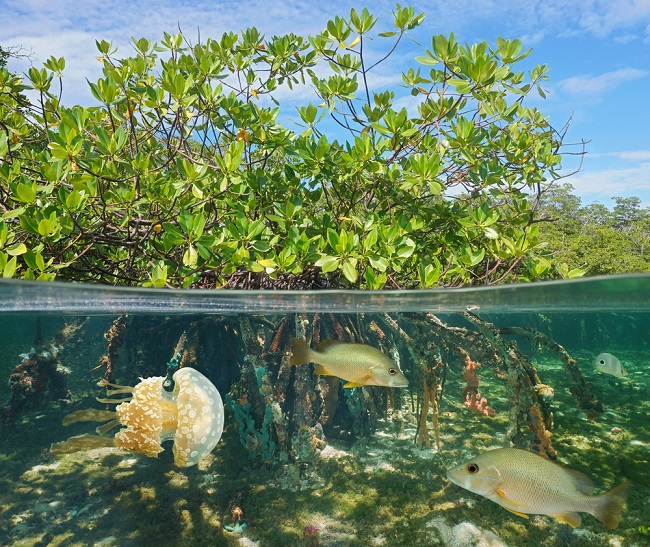
High biodiversity is a good thing for an ecosystem. This generally means that the area is healthy. They are home to millions of well-known species and millions more that are still undiscovered. Looking at samples of soil or water through a microscope reveals a whole world of bacteria and other tiny organisms.
For example tropic rain forests have many different types of trees ferns flowers birds insects and mammals so it is one of the most productive and healthiest ecosystems. For example a habitat may have high species biodiversity because many common and widespread species are invading it at the expense of species restricted to that habitat. The higher the biodiversity means that the ecosystem can sustain maintain many different types of producers consumers and decomposers.
Biodiversity is typically a measure of variation at the genetic species and ecosystem level. Examples of these free services include. Ecosystem- Communities of plants and animals together with the physical.
No organism however exists in isolation. In summary high biodiversity is important a good thing because the more biodiverse the ecosystem which includes both greater genetic variation within a single species and the greater numbers of species within an ecosystem the more stable the ecosystem is and the more resilient able to withstand or recover quickly from difficult conditions it is to disruptions and change. These benefits are services that are free happen without much effort on our part and have positive impacts on our livelihoods and economy.
Ecosystems with higher biodiversity have fewer species that depend on just one other for food shelter and maintaining their environment. Bees pollinating crops helping to produce food. Keeping ecosystems healthy Tropical forests are some of the most diverse ecosystems on earth.
Having more genes makes the species better equipped to respond to changing conditions. Maintaining biodiversity comes with a few practical benefits. Further ecosystems provide crucial services such as pollination seed dispersal climate regulation water purification nutrient cycling and control of agricultural pests.
When ecosystems have high biodiversity and are healthy and fully functioning they yield great benefits to humans. With the example above puffins could also eat molluscs and. High biodiversity ensures that many different ecological niches jobs roles are filled which helps the ecosystem function well.
The best way to conserve biodiversity is to save habitats and ecosystems rather than trying to save a single species. Utilitarian values include the many basic needs humans obtain from biodiversity such as food fuel shelter and medicine. Ecosystems that host the most biodiversity tend to have ideal environmental conditions for plant growth like the warm and wet climate of tropical regions.
Biodiversity is a good thing because it helps keep the ecosystem stable. Many high profile conservation campaigns focus on rescuing a single endangered species from extinction such as blue whale bilbies koala. Terrestrial biodiversity is usually greater near the equator which is the result of the warm climate and high primary productivity.
Human life relies on our ecosystems providing the life-sustaining services of providing oxygen detoxifying our soil and water providing materials for clothing and shelter and providing our food and the nutrients we require. There are flowers plants grasses birds insects and fish. An area with high biodiversity has a wide variety of species.
Greater biodiversity in ecosystems species and individuals leads to greater stability. When a species exhibits great genetic diversity it has a larger pool of genes available to it. Biodiversity and ecosystems produce a rich array of benefits that people depend on including fisheries drinking water fertile soils for growing crops climate regulation inspiration and.
Ecosystems can also contain species too small to see with the naked eye. Biodiversity is not distributed evenly on Earth and is richest in the tropics. For example species with high genetic diversity and many populations that are adapted to a wide variety of conditions are more likely to be able to weather disturbances disease and climate change.

How Can Environmental Protection And Biodiversity Be Improved By Using Current Ecological Technologies

What Are Examples Of Biodiversity Quora
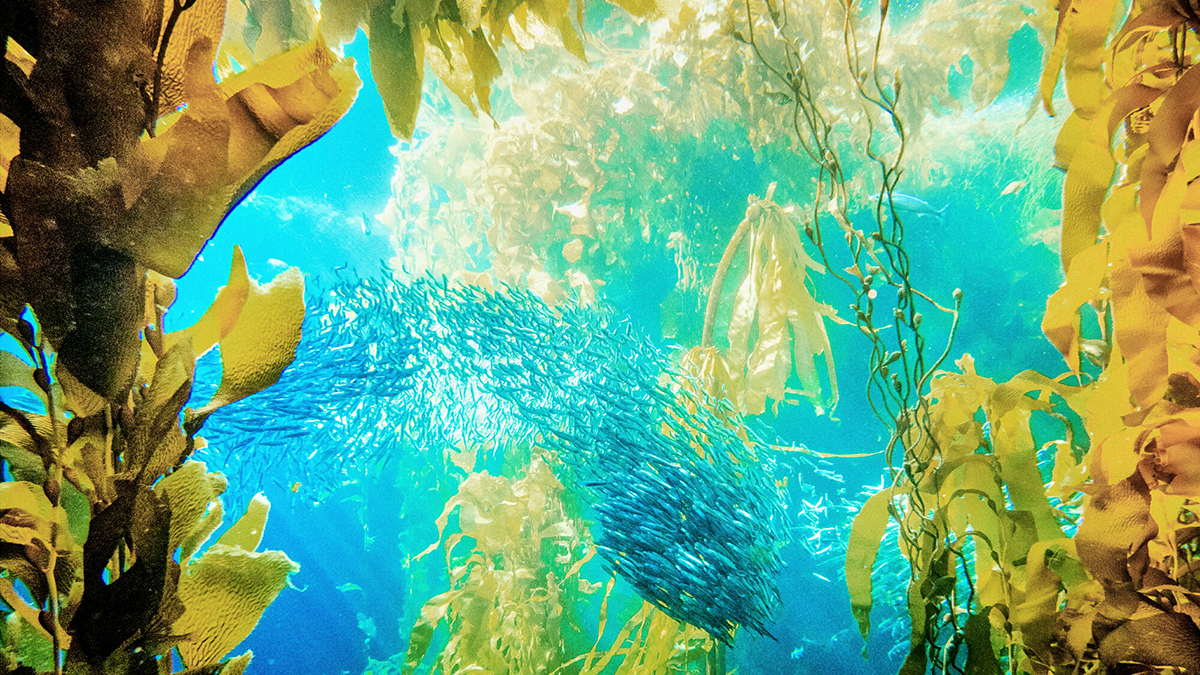
Five Things About Biodiversity Ing

Ecologists Study The Interactions Of Organisms And Their Environment Learn Science At Scitable
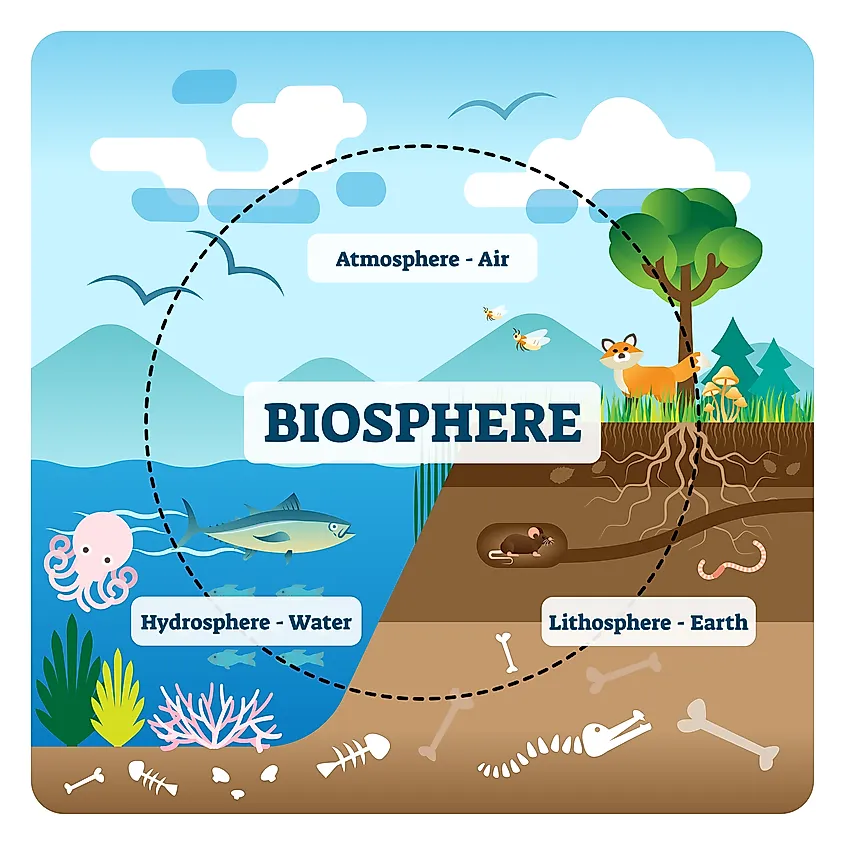
What Is Biodiversity And Why Is It Important Worldatlas
Biodiversity What Is It
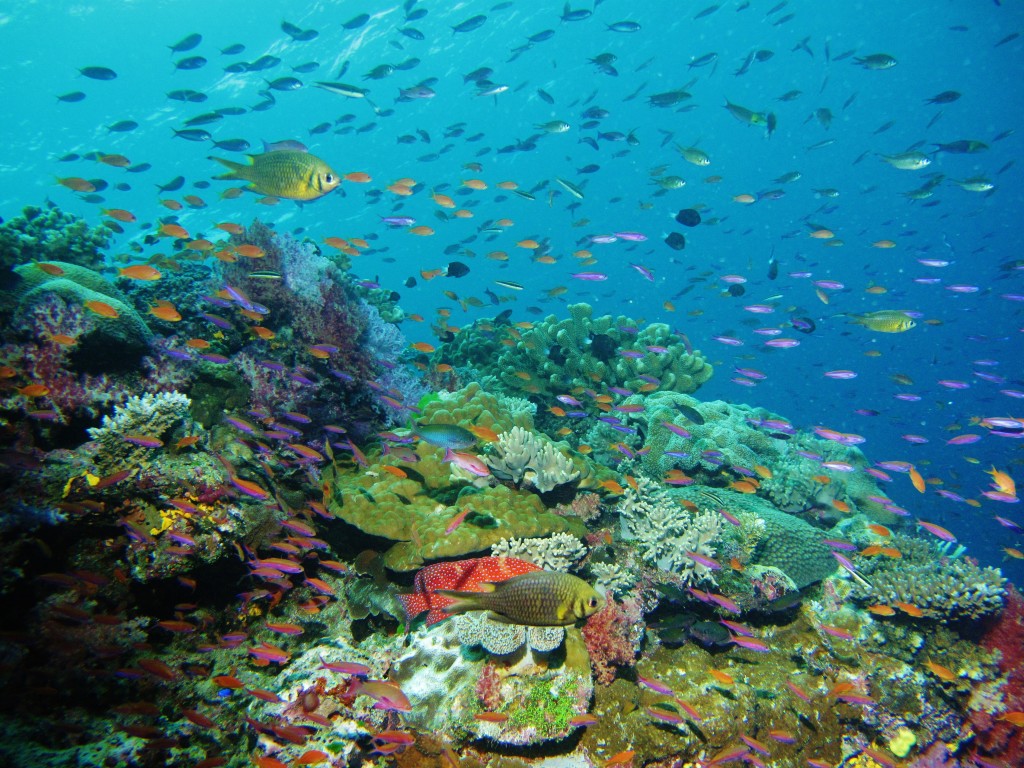
Biodiversity Definition Examples And Threats Biology Dictionary
Biodiversity What Is It


What Do You Think Is The Importance Of Biodiversity In Natural Ecosystems

Biotic Factors National Geographic Society

What Do You Think Is The Importance Of Biodiversity In Natural Ecosystems
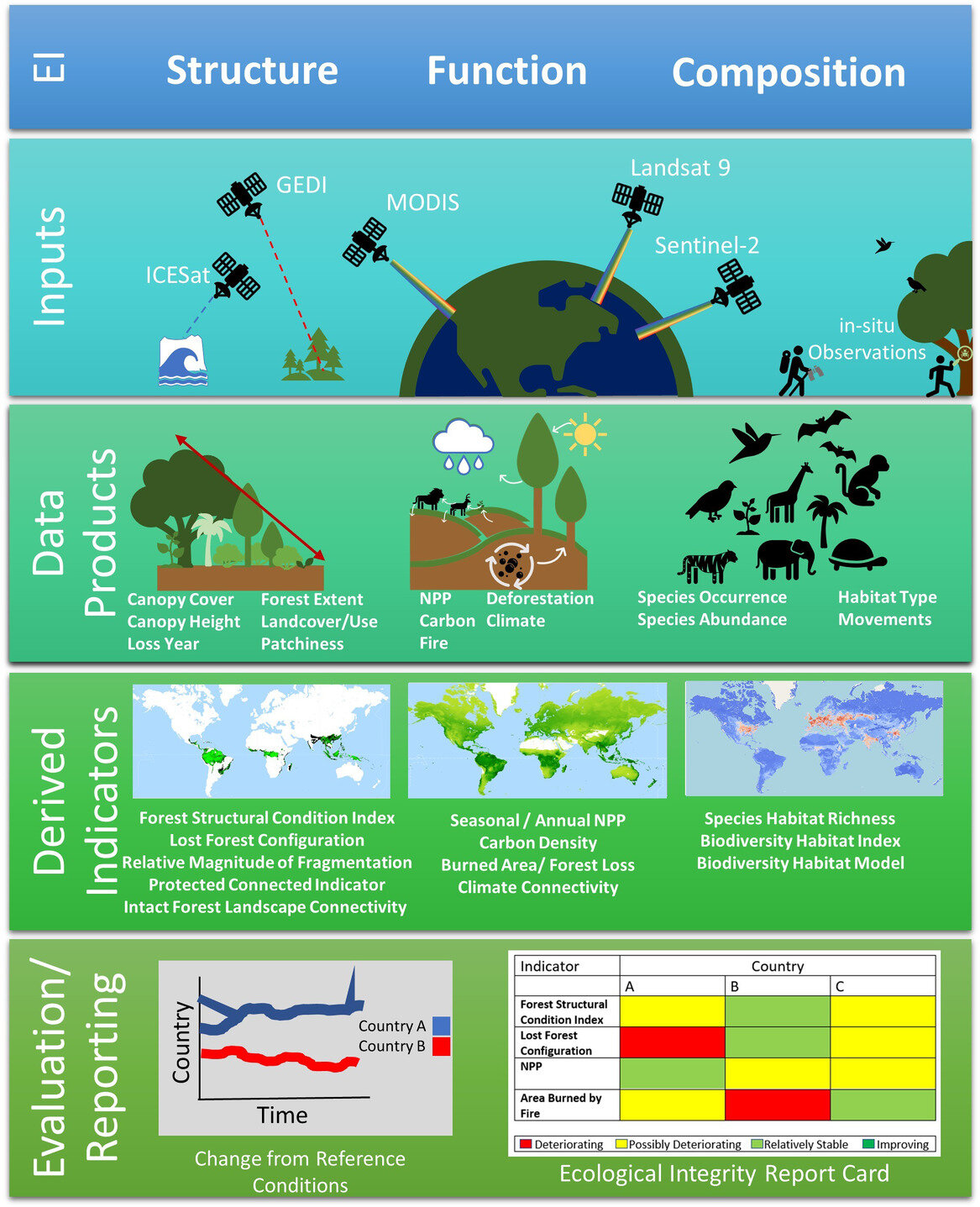
Ecologists Outline Methods For Reaching Global Biodiversity Targets

Why Is Biodiversity High In Some Places But Low In Others
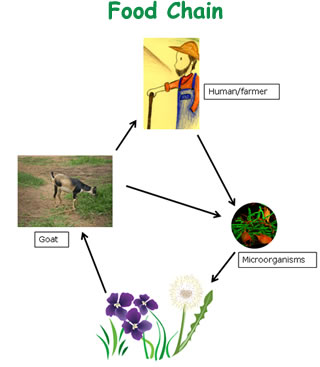
What Is Biodiversity

The World Missed A Critical Deadline To Safeguard Biodiversity Un Report Says
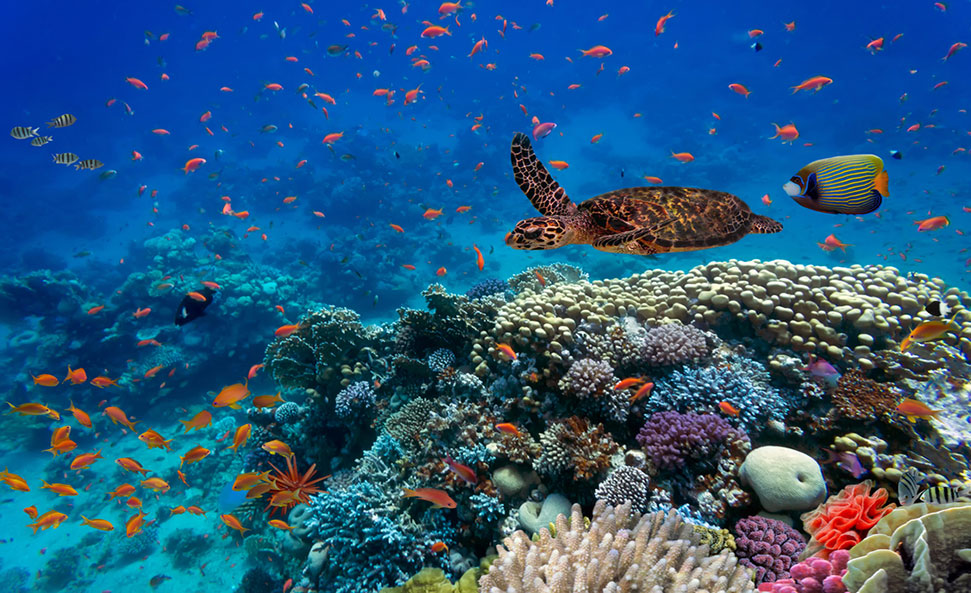
What Is Biodiversity Its Definition Protection Loss And Csr Commitments

What Do You Think Is The Importance Of Biodiversity In Natural Ecosystems

5 3 Importance Of Biodiversity Environmental Biology
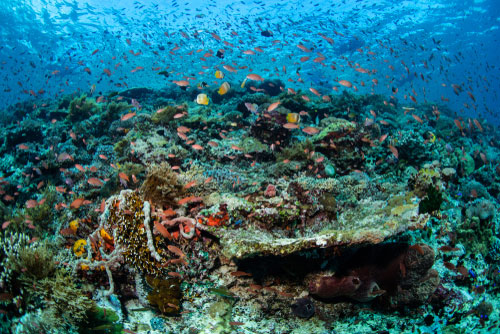
What Is Biodiversity Its Definition Protection Loss And Csr Commitments

